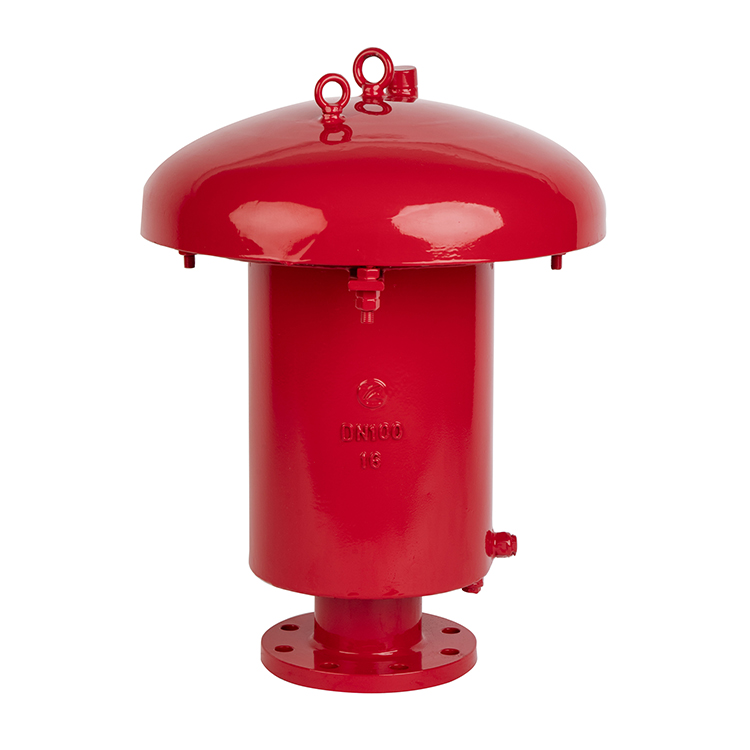
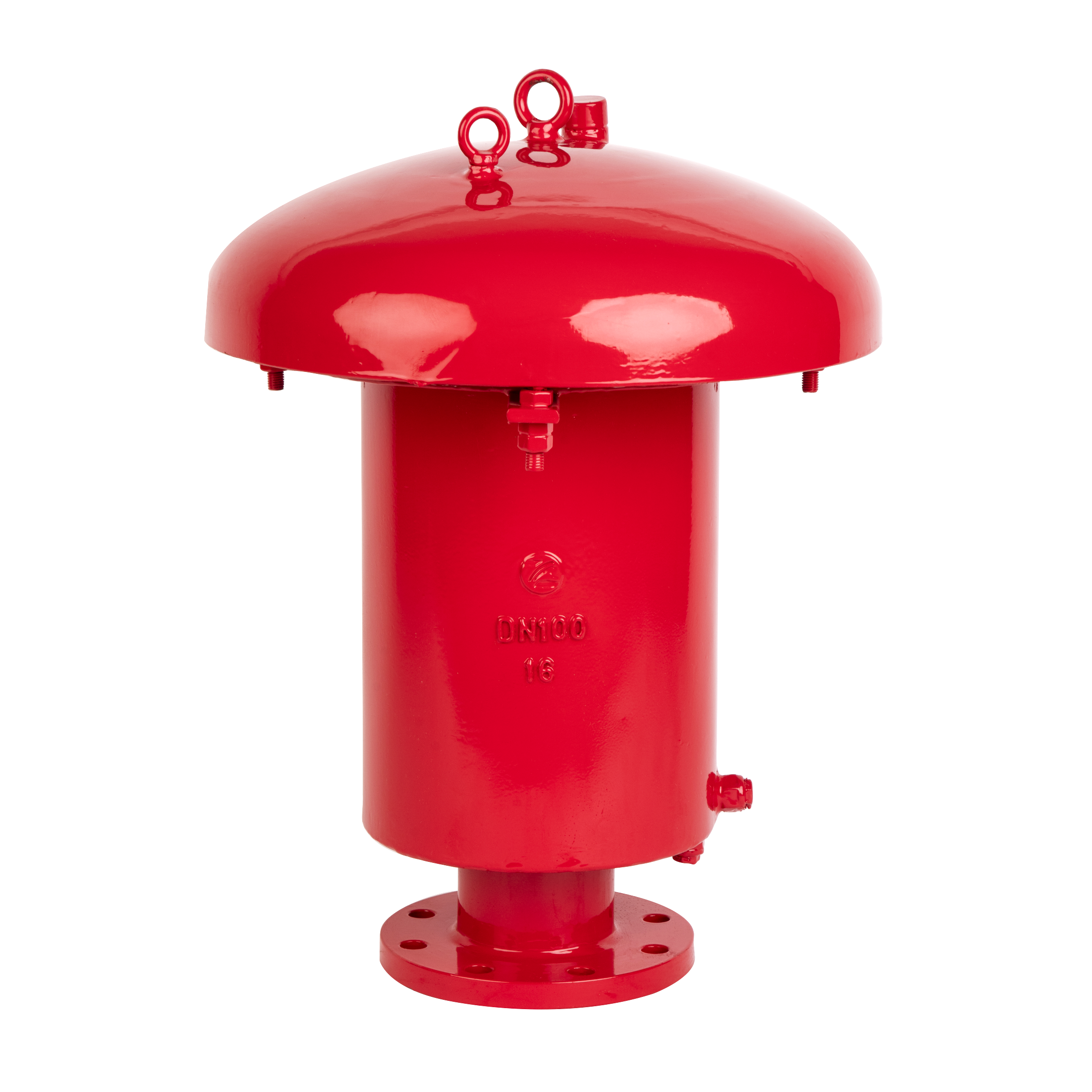
Producdt Description:
Fail-Safe Emergency Relief: The ZCGYA Liquid-Seal Advantage In large-scale oil and chemical storage, relying on a single safety device is a risk. The ZCGYA Hydraulic Safety Valve provides a robust, non-mechanical alternative for emergency venting. Unlike standard valves that may seize due to mechanical wear, the hydraulic safety valve uses a specific sealing liquid to maintain pressure balance. When the internal tank pressure exceeds the liquid seal’s hydrostatic head, the valve opens instantly to discharge vapor, preventing tank deformation or rupture.
Corrosion Resistant & Low Maintenance Engineered for longevity, the ZCGYA series is built with high-grade materials to withstand aggressive industrial vapors. Its simplified structure—featuring a robust red-coated protective shell—is designed for easy inspection of liquid levels, ensuring the valve is always ready for duty. This makes it an ideal choice for facilities looking for a low-maintenance, high-reliability safety solution in harsh environments.
Note:
Under normal circumstances, (fire) breathing valve operating pressure to B shall prevail;
Applicable materials: gasoline, kerosene, diesel, aromatics, sulfur, air and other petrochemical materials;
Environment temperature: -40 °C -+60 °C;
Shell material: HT, AL, A3, 18-8, 304, 304L, 316, 316L.
Flange standards: HG20592-97 PN1.0 (also can be produced according to user specified criteria)
Upgrade your tank safety system with a reliable ZCGYA Hydraulic Safety Valve. Click here for a full datasheet and free consultation.
ZCGYA Hydraulic Safety Valve Guide
Q1:What is the primary function of the ZCGYA valve?
A1:The ZCGYA Hydraulic Safety Valve serves as a secondary safety barrier for atmospheric and low-pressure storage tanks, providing emergency pressure and vacuum relief when primary breather valves fail or are overwhelmed.
Q2:How does the liquid seal mechanism work?
A2:It uses the hydrostatic pressure of a sealing liquid (typically oil or antifreeze) to seal the tank. When pressure exceeds the set limit, the vapor breaks the seal to exhaust, and when the pressure drops, the liquid reseals the system automatically.
Q3:Is this valve suitable for cold climates?
A3:Yes. For facilities in cold regions, we recommend using a specialized low-freezing-point sealing liquid (antifreeze) to ensure the hydraulic safety valve remains operational and does not freeze in sub-zero temperatures.
Q4:Does the ZCGYA require frequent maintenance?
A4: Because it has no moving mechanical parts like springs or pallets, maintenance is minimal. Your team only needs to periodically check and replenish the sealing liquid to the specified level.
Q5:Can I customize the set pressure of the valve?
A5:Absolutely. The set pressure is determined by the height and density of the sealing liquid inside the ZCGYA valve. Our technical team will provide precise calibration instructions based on your tank’s MAWP (Maximum Allowable Working Pressure).