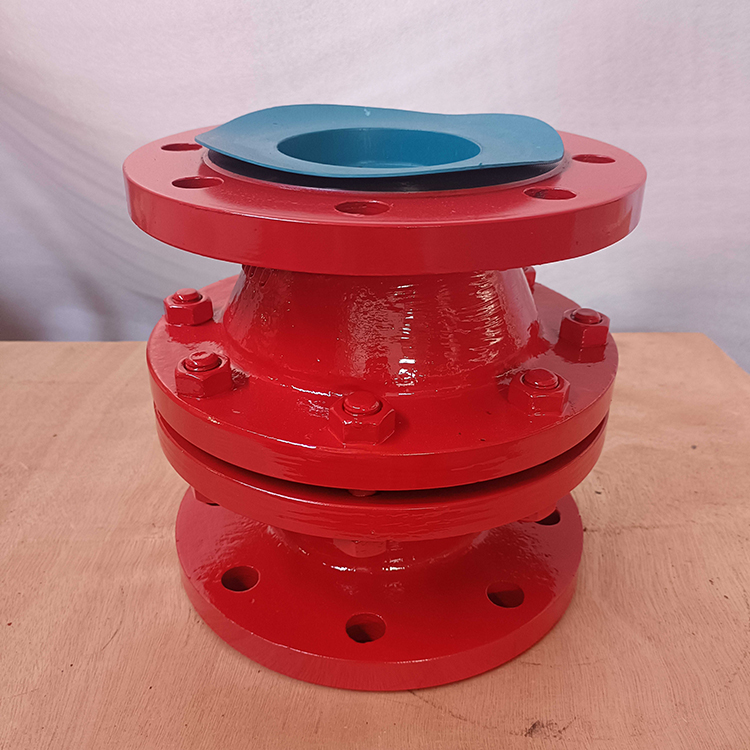
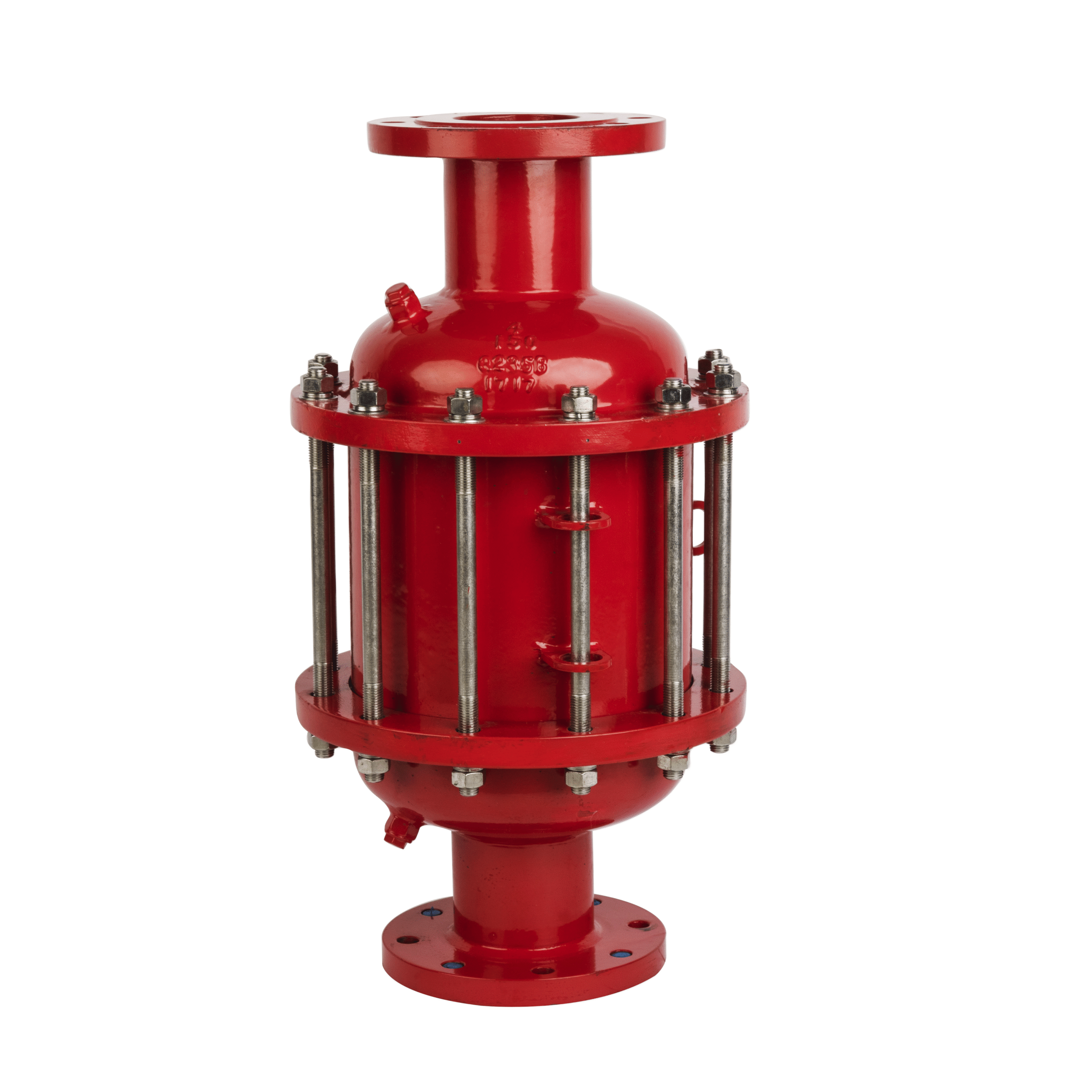
Producdt Description:
In Line Flame Arrester is mainly composed of shell and fire element. There are two kinds of commonly used metal mesh filter element and corrugated filter element. The metal mesh filter element is composed of stainless steel or copper mesh with a diameter of 0.23-0.315 mm and overlapping layers. In Line Flame Arrester in China usually use 16-22 mesh metal mesh with 4-12 layers.
The corrugated filter element is supported by stainless steel, copper-nickel alloy, aluminium or aluminium alloy. Corrugated flame retardant can prevent the fierce flame of deflagration, and can withstand the corresponding mechanical and thermal effects, flow resistance is small, easy to clean and replace.
Installation:
- Remove all flange cover and discard all packaging materials.
- Check the seat, the matching flange gasket on the seat surface. It must be clean, flat, scratch-free, corrosion-resistant, tool traces.
- Check the gasket to ensure that the material is suitable forapplication.
- Lubricate all studs and nuts with proper thread lubricant. If the fastener is a high temperature stainless steel material, a back-grabbing compound, such as molybdenum disulfide, is used.
- Inside gasket of bolt ring.
- Installing flange of Inline flame arrester shell to butt with flange of pipeline, attention should be paid to the position of lifting handle and top nut of In line flame arrester element to facilitate the removal of In line flame arrester elements in the future.
Note:
Under normal circumstances, (fire) breathing valve operating pressure to B shall prevail;
Applicable materials: gasoline, kerosene, diesel, aromatics, sulfur, air and other petrochemical materials;
Environment temperature: -40 °C -+60 °C;
Shell material: HT, AL, A3, 18-8, 304, 304L, 316, 316L.
Flange standards: HG20592-97 PN1.0 (also can be produced according to user specified criteria)
“Don’t Compromise on Safety. Secure Your High-Risk Lines with ZCGZJII-H Detonation Arresters Today.”
Difference Between Deflagration and Detonation Arresters
Q1: What makes the ZCGZJII-H different from a standard flame arrester?
A1: The ZCGZJII-H is a detonation-grade flame arrester, meaning it can stop flames traveling at supersonic speeds with massive shockwaves, whereas standard arresters are only rated for slower deflagrations.
Q2: Can this model be installed far away from the ignition source?
A2: Yes. Because it is rated for detonations, the ZCGZJII-H can be installed in long piping runs where a flame has the distance to accelerate into a high-speed detonation.
Q3: How do I maintain the internal flame element?
A3: The ZCGZJII-H is designed for easy disassembly, allowing the flame element to be inspected and cleaned to prevent clogging and ensure optimal flow.
Q4: Is 304 Stainless Steel enough for corrosive environments?
A4: While 304 is excellent for many applications, we also offer Overall 316L Stainless Steel for highly aggressive chemical vapors or coastal facilities.
Q5: Does the ZCGZJII-H support hydrogen applications?
A5: We can customize the internal corrugated matrix to meet the strict MESG requirements for Group IIC (Hydrogen) gases, providing specialized detonation protection.