
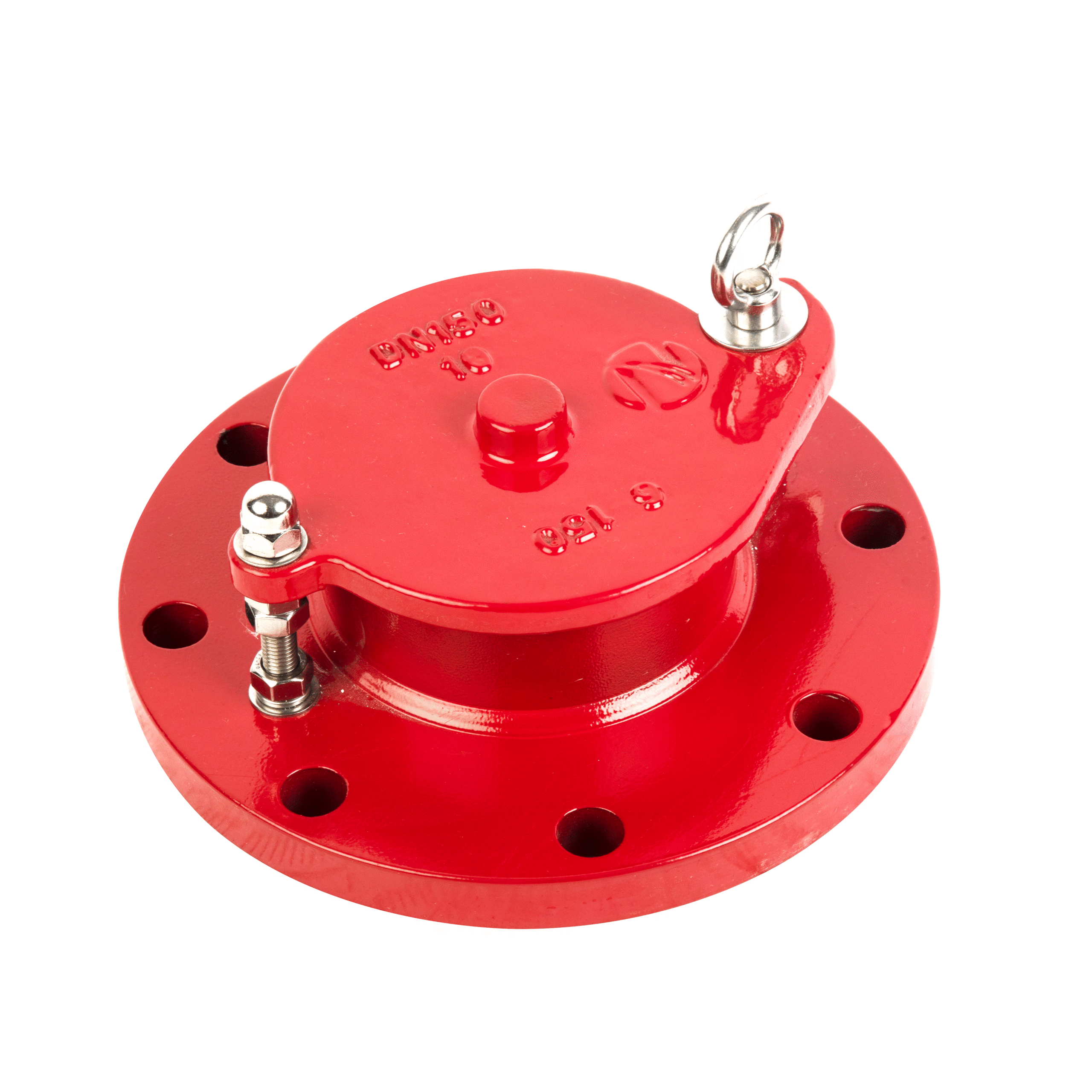
Producdt Description:The ZCGLY-II With Locking Oil Measuring Hole is a high-security gauge hatch specifically engineered for the protected measurement and sampling of oil, fuel, and chemical storage tanks. Built upon the proven reliability of the ZCGLY-II platform, this model integrates a robust locking mechanism to prevent unauthorized access, tampering, or product theft. Its horizontal rotating gauge hatch cover ensures smooth, efficient operation for manual gauging while maintaining a superior airtight seal to control VOC emissions.
Note:
Under normal circumstances, (fire) breathing valve operating pressure to B shall prevail;
Applicable materials: gasoline, kerosene, diesel, aromatics, sulfur, air and other petrochemical materials;
Environment temperature: -40 °C -+60 °C;
Shell material: HT, AL, A3, 18-8, 304, 304L, 316, 316L.
Flange standards: HG20592-97 PN1.0 (also can be produced according to user specified criteria)
“Download Technical Specifications for the ZCGLY-II Locking Series.”
Common Questions About Tamper-Proof Oil Measuring Holes
Q1: Why is a locking mechanism important for an oil measuring hole? A1: A locking gauge hatch prevents unauthorized personnel from opening the tank, which is essential for preventing product theft, unauthorized sampling, or accidental contamination.
Q2: Does the locking feature affect the airtight seal of the hatch?
A2: Not at all. The locking mechanism is designed to work in tandem with the pressure-tight gauge hatch cover, ensuring the tank remains fully sealed when locked.
Q3: Is the ZCGLY-II suitable for use on chemical tanks?
A3: Yes, we offer the ZCGLY-II in Stainless Steel (SS304/SS316) models with chemical-resistant gaskets to handle aggressive media.
Q4: Can this hatch be used for manual dipping and level sensing?
A4: Absolutely. Once the lock is removed, the rotating cover provides a clear, unobstructed path for manual dipping tapes and sampling containers.
Q5: What flange standards do you support for installation?
A5: Our gauge hatches are manufactured to meet global standards including ANSI, DIN, JIS, and GB, ensuring seamless integration with your existing tank flanges.