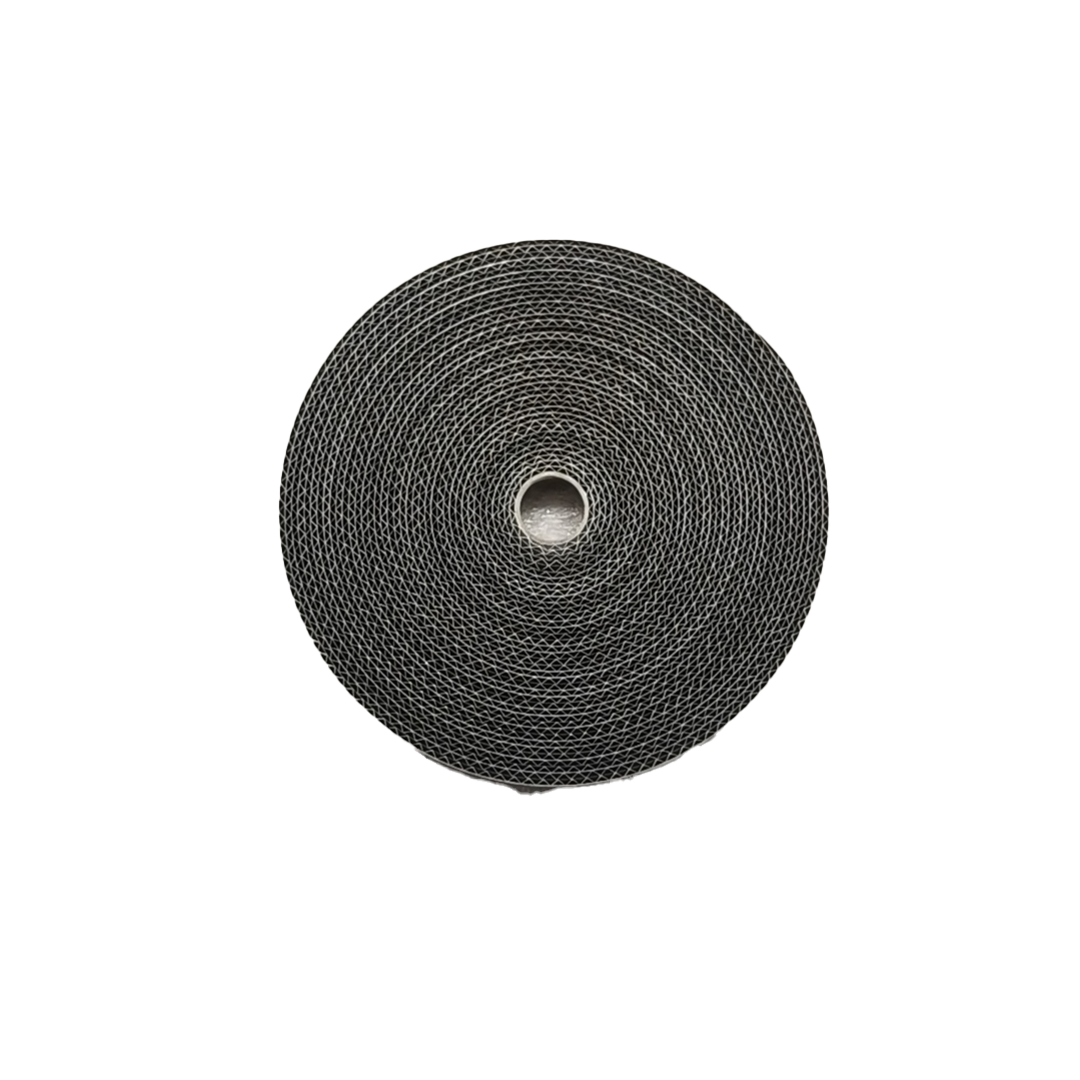
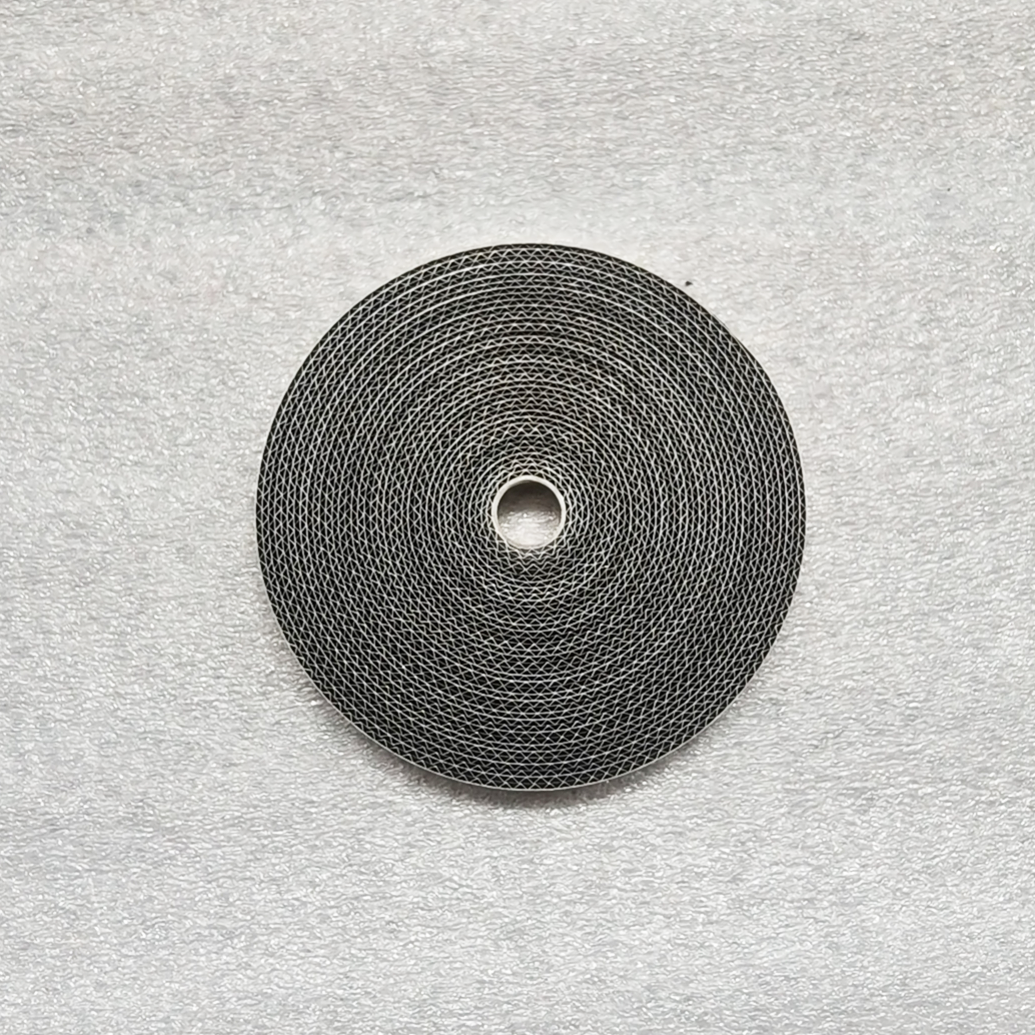
Producdt Description:The Flame Element is the critical functional component within an industrial flame arrester, serving as the primary barrier against the spread of fire in piping systems and storage tanks. Engineered with precision, these elements are designed to quench flames by absorbing heat and breaking the flame front into tiny, manageable segments. Whether you are performing routine maintenance or upgrading your safety infrastructure, our replacement flame elements provide the reliable thermal quenching required for high-risk industrial environments.
Note:
Under normal circumstances, (fire) breathing valve operating pressure to B shall prevail;
Applicable materials: gasoline, kerosene, diesel, aromatics, sulfur, air and other petrochemical materials;
Environment temperature: -40 °C -+60 °C;
Shell material: HT, AL, A3, 18-8, 304, 304L, 316, 316L.
Flange standards: HG20592-97 PN1.0 (also can be produced according to user specified criteria)
“Need Bulk Replacements? Get a Factory-Direct Quote on Flame Elements.”
Technical FAQ: Industrial Flame Arrester Elements
Q1: What is the primary function of a Flame Element?
A1: The Flame Element acts as a heat sink, extinguishing flames by cooling them below their ignition temperature as they pass through narrow, corrugated channels.
Q2: When should I replace the flame element in my arrester?
A2: Elements should be inspected regularly and replaced if they show signs of corrosion, mechanical damage, or persistent clogging that cannot be cleaned, as these factors compromise safety.
Q3: Can you customize the element for specific gas groups like hydrogen?
A3: Yes, we can manufacture elements with smaller crimp heights specifically designed for Group IIC (Hydrogen) applications to meet strict MESG requirements.
Q4: What materials are available for harsh chemical environments?
A4: While SS304 is standard, we highly recommend SS316L or special alloys for environments involving aggressive chemical vapors or coastal salt-air exposure.
Q5: How do I measure a flame element for a replacement order?
A5: We typically require the outer diameter (OD), height (thickness), material type, and the gas group/application for which it will be used.