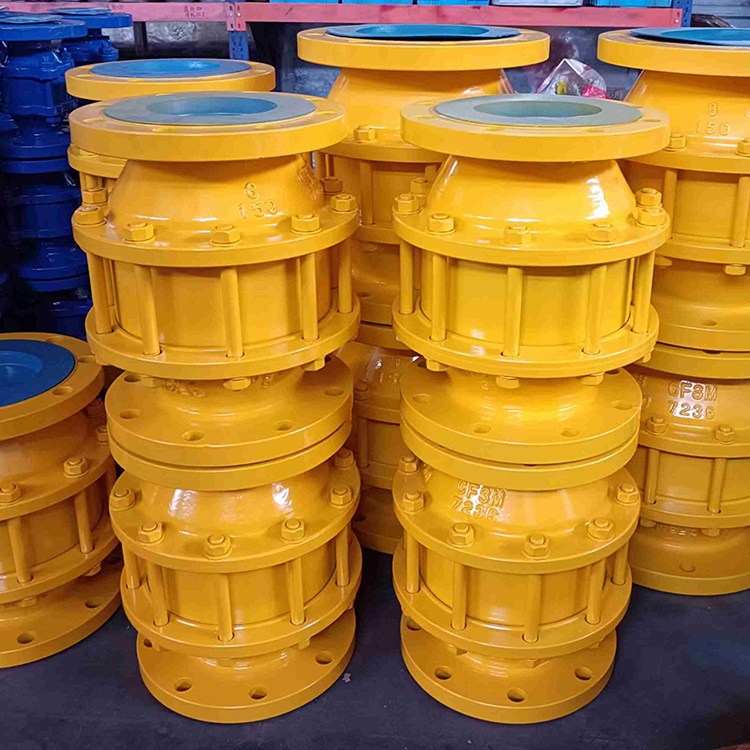
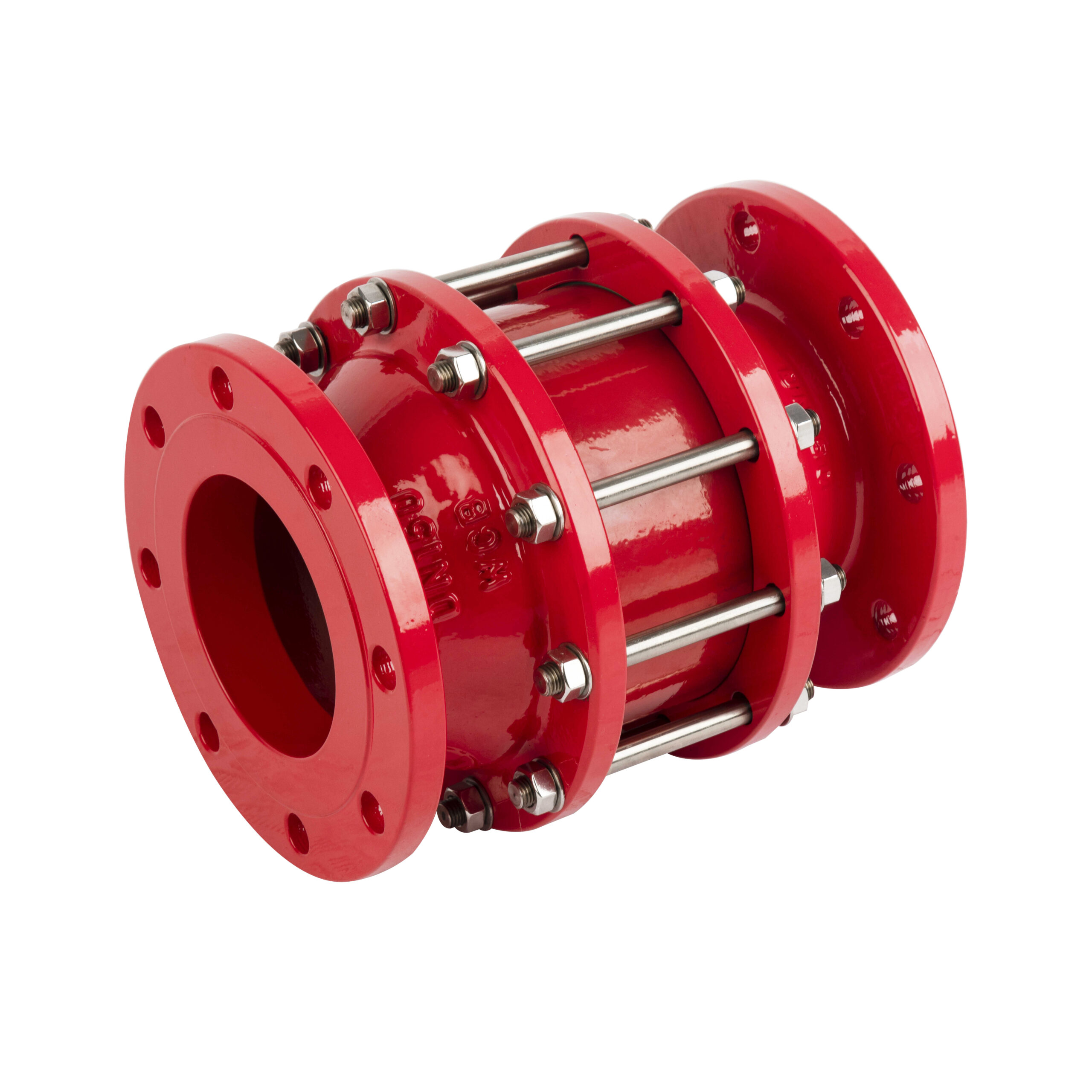
Producdt Description:
The ZCZHQ-II In-Line Deflagration Flame Arrester is a heavy-duty industrial safety device engineered to quench subsonic flame fronts within process piping. As a critical “firewall” for your infrastructure, this flame arrester is specifically optimized to manage deflagration events—flames traveling at subsonic speeds. Its superior structural integrity and advanced internal quenching technology ensure that facility safety is never compromised during an ignition event.
Advanced Flame Elements & Quenching Technology
The core of the ZCZHQ-II’s fire suppression capability lies in its high-precision flame elements, which act as a thermal heat sink to extinguish combustion. We offer two primary types of internal filtration to meet diverse industrial standards:
-
Precision Quenching Elements: This flame arrester is equipped with premium flame elements available in corrugated ribbon or multi-layer metal mesh designs. These structures are engineered to deliver rapid heat dissipation, cooling the flame below its auto-ignition temperature instantly.
-
Bi-Directional Safety Flow: The internal flame elements are designed to quench flame fronts originating from either side of the piping. This bi-directional capability provides total flexibility for complex system layouts and ensures protection regardless of the ignition source location.
Installation:
- Remove all flange cover and discard all packaging materials.
- Check the seat, the matching flange gasket on the seat surface. It must be clean, flat, scratch-free, corrosion-resistant, tool traces.
- Check the gasket to ensure that the material is suitable forapplication.
- Lubricate all studs and nuts with proper thread lubricant. If the fastener is a high temperature stainless steel material, a back-grabbing compound, such as molybdenum disulfide, is used.
- Inside gasket of bolt ring.
- Installing flange of Inline flame arrester shell to butt with flange of pipeline, attention should be paid to the position of lifting handle and top nut of In line flame arrester element to facilitate the removal of In line flame arrester elements in the future.
Note:
Under normal circumstances, (fire) breathing valve operating pressure to B shall prevail;
Applicable materials: gasoline, kerosene, diesel, aromatics, sulfur, air and other petrochemical materials;
Environment temperature: -40 °C -+60 °C;
Shell material: HT, AL, A3, 18-8, 304, 304L, 316, 316L.
Flange standards: HG20592-97 PN1.0 (also can be produced according to user specified criteria)
“Need Help Determining the Correct Size and Flange Connection? Consult Our Engineering Experts for a Custom Solution.”
Common Engineering Questions on In-Line Deflagration Protection
Q1: What is the primary function of an in-line deflagration flame arrester?
A1: The ZCZHQ-II is designed to stop a flame from traveling through a pipe during a subsonic deflagration, effectively isolating the fire and protecting downstream equipment.
Q2: Is the ZCZHQ-II suitable for supersonic shockwaves?
A2: No. This model is optimized for deflagrations. For supersonic flames (detonations), you must use a dedicated detonation flame arrester like the ZCGZJII-H.
Q3: Can I clean the internal flame elements?
A3: Yes. The ZCZHQ-II features a modular design that allows for easy removal of the flame elements for routine cleaning and inspection, which is critical for maintaining low pressure drop.
Q4: Which material should I choose for high-corrosion chemical lines?
A4: For aggressive chemical environments, we recommend the Overall 316L Stainless Steel configuration for its superior chemical resistance and long-term durability.
Q5: What flange standards are compatible with this model?
A5: Our units are manufactured to be compatible with all major global standards, including ANSI, DIN, JIS, and GB flanges, ensuring a perfect fit for your existing piping.