Producdt Description
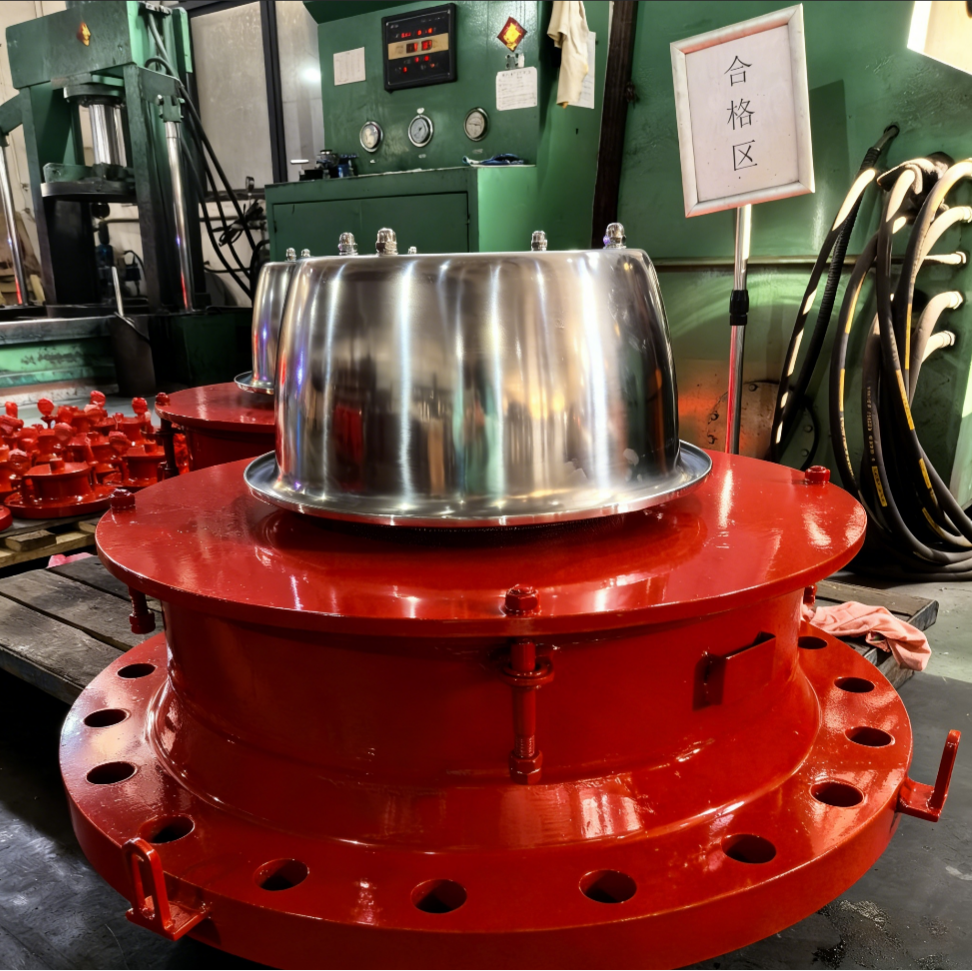
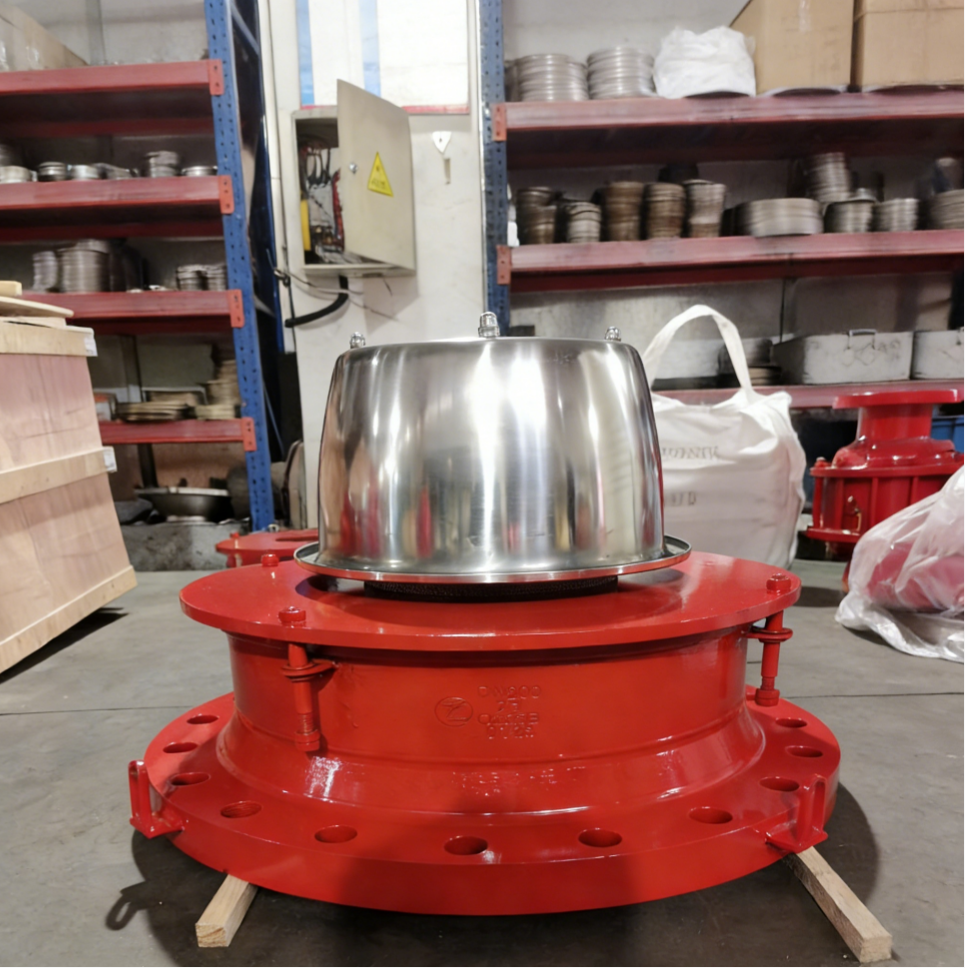
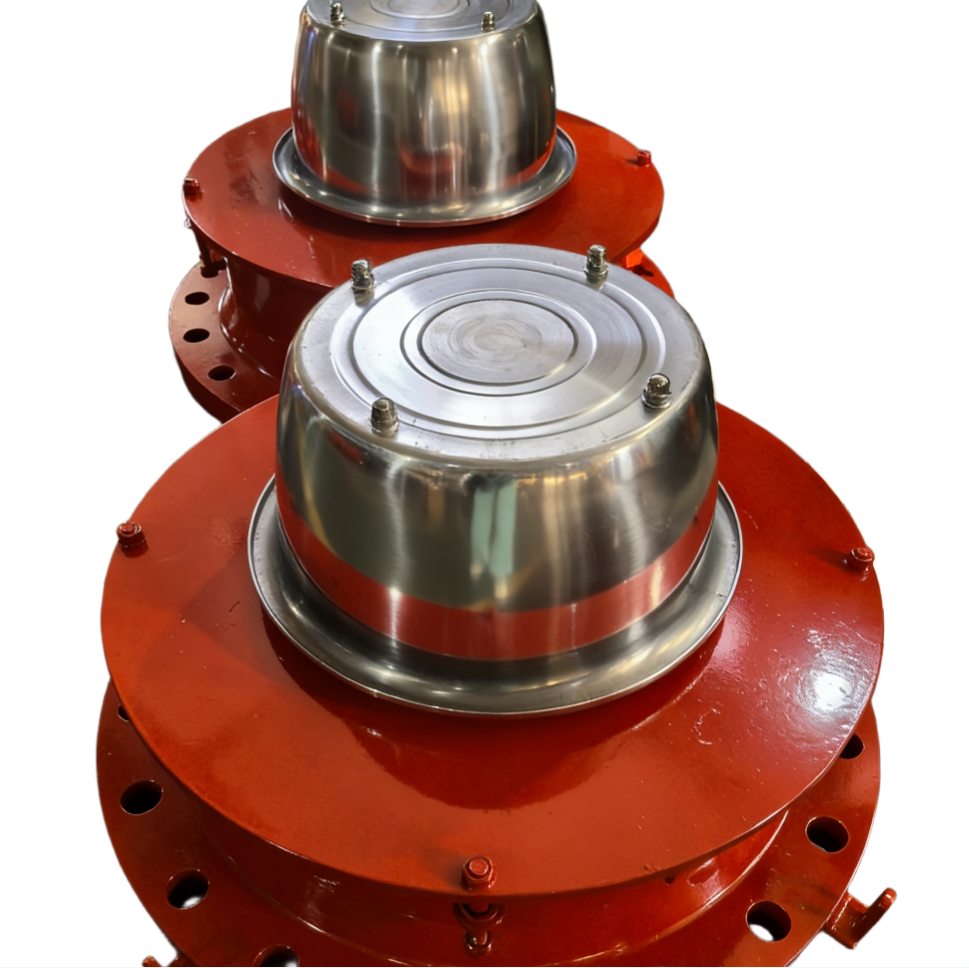
The ZCPE-pilot operated breather valve with flame arrester offers distinct advantages over conventional valves. By ensuring seat leakage remains closer to the set point and allowing for full flow without overpressure, it maintains a precise tank pressure balance. While this valve handles routine breathing, it is designed to work in tandem with an emergency relief vent for maximum safety. This combination reduces medium volatility and saves energy.
Our design utilizes vapor heat transfer principles to protect internal components from freezing, ensuring reliable operation in cold climates. For extreme scenarios, this valve complements the emergency vent (also known as a Breathing Manhole) to provide high-capacity venting.
Our fire-resistant breather valves feature a simplified, corrosion-resistant structure with superior insulation. Constructed from high-quality PTFE, the valve remains frost-resistant and functional at low temperatures. Furthermore, an integrated electrostatic protection device ensures the valve, the Breathing Manhole, and the tank maintain the same potential, eliminating spark risks during emergency relief vent activation.
Operating pressure:
| Type A: | +355pa(+36mmH2O) -295pa(-30mmH2O) |
| Type B: | +980pa(+100mmH2O)-295pa(-30mmH2O) |
| Type C: | +1950pa(+200mmH2O) -295pa(-30mmH2O) |
| Type D: | according to user requirement (special pressure rating) |
| Material: | WCB SS304 SS304L SS316 SS316L |
| Flange Standard: | HG/T20592-2009 ANSI B16.5 HG/T 20615-2009(Class series) HG/T20592-2009 (PN series) ANSI B16.5 AMSE B16.5 |
Note:
Under normal circumstances, (fire) breathing valve operating pressure to B shall prevail;
Applicable materials: gasoline, kerosene, diesel, aromatics, sulfur, air and other petrochemical materials;
Environment temperature: -40 °C -+60 °C;
Shell material: HT, AL, A3, 18-8, 304, 304L, 316, 316L.
Flange standards: HG20592-97 PN1.0 (also can be produced according to user specified criteria)
“Don’t compromise on facility safety. [Get a Technical Quote Today] to customize the ZCHRK-II to your tank’s specific MAWP requirements!”
Everything You Need to Know About the ZCHRK-II
Q1:Emergency Vent vs. Breather Valve: Why Both?
A1:Think of a breather valve as your tank’s “lungs” for daily operations—it handles routine pressure shifts. However, an emergency relief vent is your “insurance policy.” In extreme cases, like a nearby fire causing rapid liquid expansion or a massive pump failure, a standard valve simply can’t move enough air. The ZCHRK-II emergency vent provides the high-capacity relief needed to prevent the tank from rupturing or collapsing when things go wrong.
Q2:Does ZCHRK-II Meet API 2000 Standards?
A2:Safety isn’t a place to cut corners. Our ZCHRK-II series is engineered and tested in strict accordance with the API 2000 standard (Venting Atmospheric and Low-Pressure Storage Tanks). This ensures that the venting capacity and set pressures meet the rigorous safety requirements expected in oil, gas, and chemical industries globally.
Q3:How Often Should I Maintain the ZCHRK-II?
A3:Since an emergency vent stays closed 99% of the time, it’s easy to forget about it—but that’s a mistake. We recommend a thorough inspection at least once a year. You should check for any debris blocking the seat and ensure the PTFE seal hasn’t degraded. A quick manual lift test ensures the Breathing Manhole isn’t “frozen” or stuck due to residue buildup, ensuring it will actually open when you need it most.
Q4:Can It Handle Highly Corrosive Chemicals?
A4: Absolutely. While we offer carbon steel for standard applications, we specialize in SS304, SS316, and SS316L configurations for aggressive environments. Combined with our high-grade PTFE sealing, this emergency relief vent is built to withstand volatile chemical vapors and coastal salt air without seizing or corroding over time.
Q5:Is the Set Pressure Fully Customizable?
A5:Yes. Every tank has its own “Max Allowable Working Pressure” (MAWP). We don’t believe in a one-size-fits-all approach. During the manufacturing process, we can calibrate the weights of the emergency breathing manhole to your exact specifications. Just provide your tank’s design pressure and vacuum limits, and we’ll ensure the ZCHRK-II is tuned for precision opening.