Producdt Description:
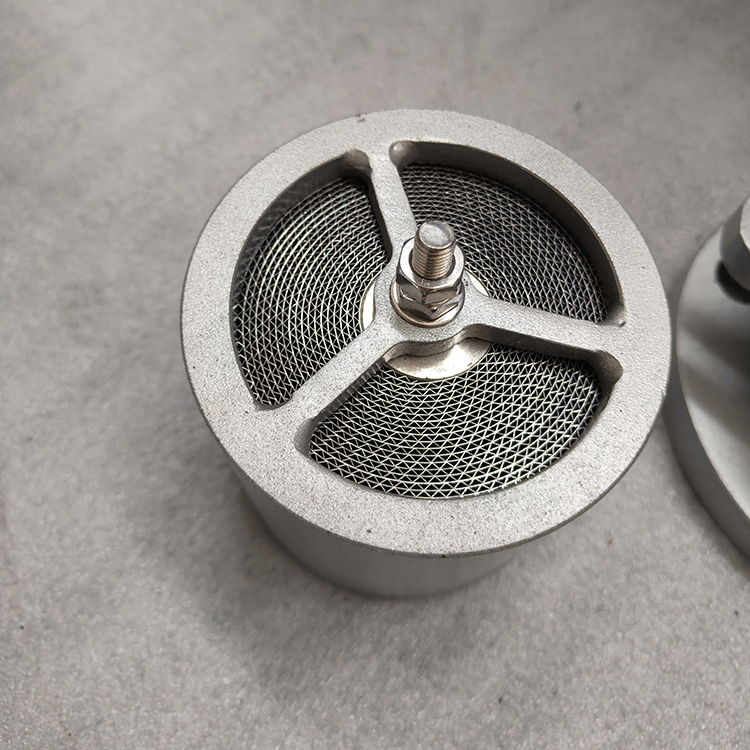
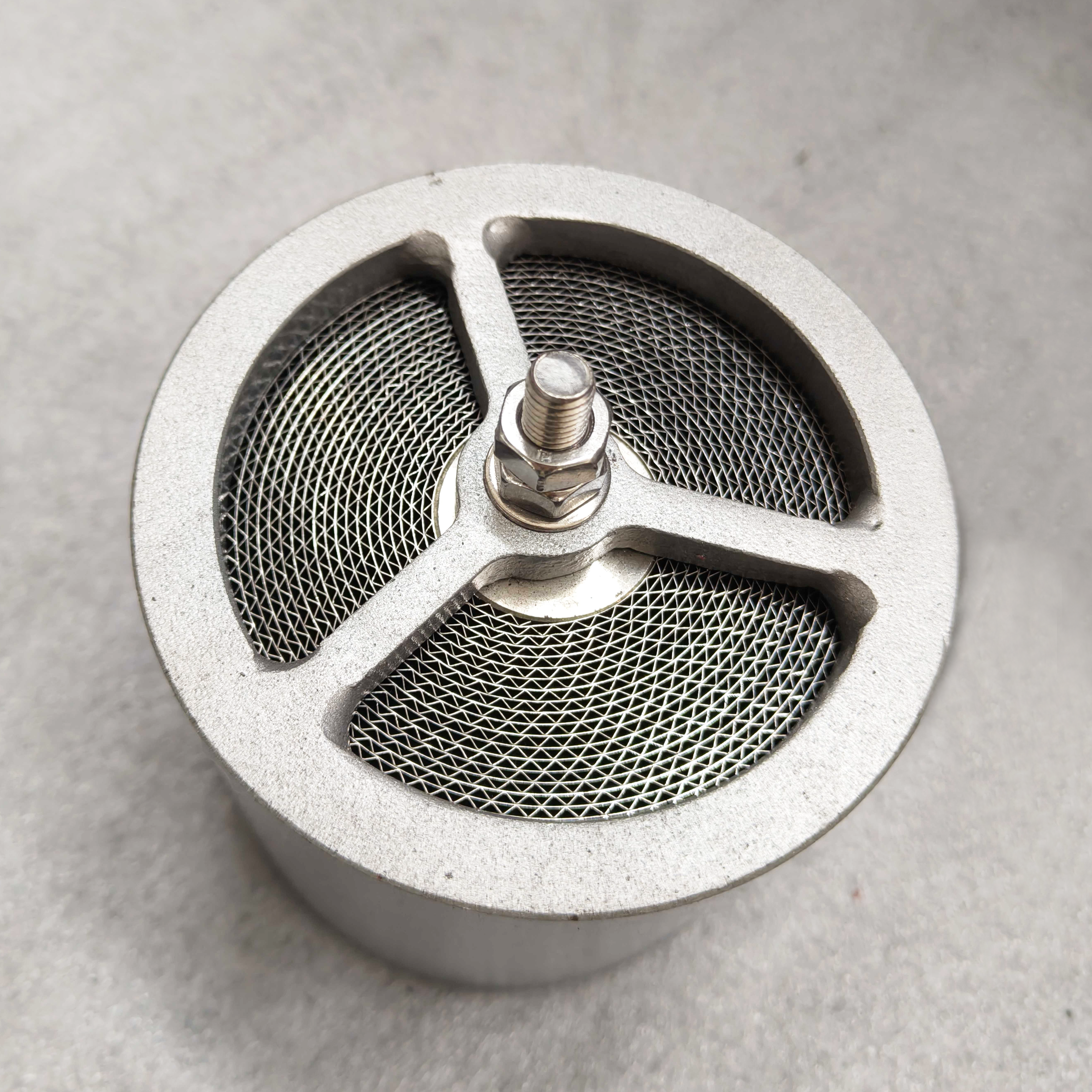
Our flame elements are manufactured to the most stringent safety standards, ensuring that every quenching matrix provides a reliable thermal sink. By utilizing advanced winding and layering techniques, we create a high-surface-area environment that quenches flames without causing significant pressure drops in your piping system.
Key Technical Performance & Features
-
Precision Corrugated Matrix: Available in precision-wound corrugated ribbons that offer uniform gap sizes for consistent fire quenching performance.
-
Multilayer Metal Mesh: We offer layered 16–22 mesh stainless steel or copper elements, overlapping in 4–12 layers for high-durability filtration and fire protection.
-
Superior Thermal Integrity: Manufactured from premium materials including 304/316L Stainless Steel, Copper-Nickel alloy, and Aluminium to withstand intense mechanical and thermal effects.
-
Customizable MESG Ratings: Elements can be tailored to specific Maximum Experimental Safe Gap (MESG) ratings for diverse gas groups, including Group IIA, IIB3, and IIC (Hydrogen).
-
Easy Clean & Replace Design: The modular circular structure allows for rapid removal during maintenance cycles, ensuring your arresters remain at peak performance with minimal downtime.
-
Universal Compatibility: Designed to serve as high-quality replacement elements for a wide range of in-line, end-of-line, and explosion-proof flame arresters.
Installation:
- Remove all flange cover and discard all packaging materials.
- Check the seat, the matching flange gasket on the seat surface. It must be clean, flat, scratch-free, corrosion-resistant, tool traces.
- Check the gasket to ensure that the material is suitable forapplication.
- Lubricate all studs and nuts with proper thread lubricant. If the fastener is a high temperature stainless steel material, a back-grabbing compound, such as molybdenum disulfide, is used.
- Inside gasket of bolt ring.
- Installing flange of Inline flame arrester shell to butt with flange of pipeline, attention should be paid to the position of lifting handle and top nut of In line flame arrester element to facilitate the removal of In line flame arrester elements in the future.
Note:
Under normal circumstances, (fire) breathing valve operating pressure to B shall prevail;
Applicable materials: gasoline, kerosene, diesel, aromatics, sulfur, air and other petrochemical materials;
Environment temperature: -40 °C -+60 °C;
Shell material: HT, AL, A3, 18-8, 304, 304L, 316, 316L.
Flange standards: HG20592-97 PN1.0 (also can be produced according to user specified criteria)
“Don’t Compromise on Fire Suppression. Request a Technical Data Sheet for Our ATEX-Ready Flame Elements.”
A Comprehensive Guide to Flame Element Selection & Upkeep
Q1: How do I know when it is time to replace my flame elements?
A1: You should inspect elements during every semi-annual safety audit. Replace them immediately if you notice physical deformation, heavy corrosion, or persistent clogging that cannot be cleared through standard cleaning, as these reduce heat dissipation capacity.
Q2: Can I use these elements in a hydrogen (Group IIC) system?
A2: Yes. While standard elements are for IIA/IIB, we provide specialized high-density flame elements with smaller gap sizes specifically designed to quench high-volatility Group IIC gases like hydrogen.
Q3: What is the benefit of a corrugated element over a mesh element?
A3: Corrugated ribbon flame elements generally offer more precise gap control and lower pressure drop compared to mesh, making them superior for high-flow applications and detonation protection.
Q4: Are these elements compatible with other brands of flame arresters?
A4: Yes. We can manufacture flame elements according to your specific diameter and height requirements, allowing them to serve as high-performance replacements for most global arrester brands.
Q5: How should these components be cleaned for maximum longevity?
A5: We recommend ultrasonic cleaning or low-pressure steam to remove debris from the matrix. Avoid using abrasive tools that could deform the precision gap of the corrugated ribbon.