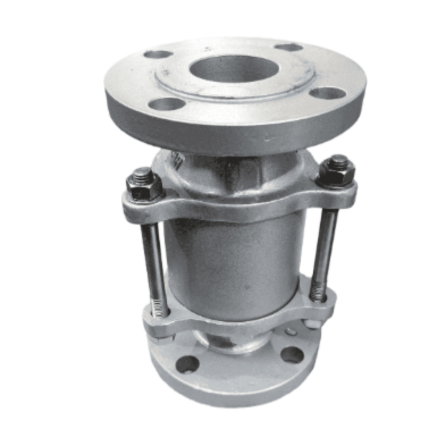


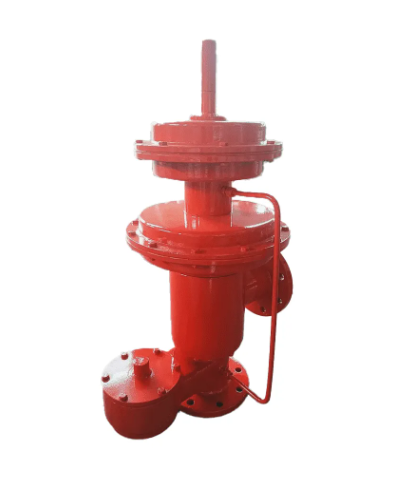
 A breather valve, also known as a pressure vacuum relief valve, is designed to regulate pressure inside tanks or engines. Its main function is to maintain equilibrium between internal and external air pressure.
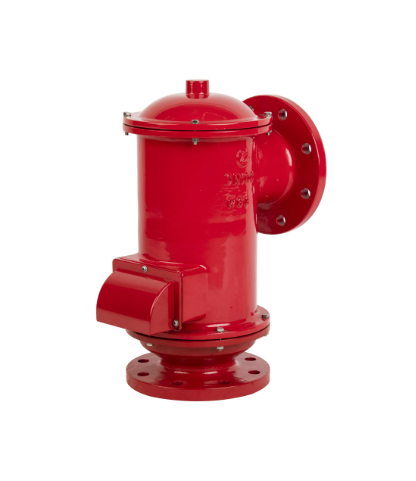
What you’ll notice: Tanks that suddenly bulge, dent, or make popping/creaking noises during filling or temperature changes.
Why it happens: A malfunctioning breather valve for tank fails to equalize internal and external pressure, allowing overpressure or vacuum to build.
How to check: Observe tank shape during operation or apply a handheld pressure gauge at tank fittings; compare readings to the valve’s setpoints.
What you’ll notice: Strong odors around the tank, visible vapor plumes, or higher-than-expected product evaporation.
Why it happens: If the breather air valve does not reseat properly, it vents vapors continuously or at incorrect thresholds, increasing emissions and product loss.
How to check: Inspect the breather valve cover and vent path for stuck-open conditions; perform a smoke or vapor test to locate consistent leaks.
What you’ll notice: Rough idling, stalling, poor acceleration, increased oil consumption, or check-engine lights in vehicles.
Why it happens: A clogged or damaged breather valve in a car impairs crankcase ventilation, causing pressure build-up, oil push-out, and contamination of intake paths.
How to check: Remove and inspect the small breather valve or breather valve cover for sludge or carbon; run an intake vacuum test and check PCV system flow.
What you’ll notice: Oil pooling near the breather valve cover, oil in vent lines, or oil entering filters and airboxes.
Why it happens: Overpressure from a failing breather forces oil past seals and gaskets; conversely, vacuum conditions can draw contaminants in.
How to check: Inspect seal integrity, look for oil-wet components adjacent to the valve, and check oil level trends over time.
What you’ll notice: A persistent hissing or whistling near the vent, especially when the system pressurizes or vents.
Why it happens: Partial seating, damaged disc/spring, or debris can create turbulent airflow through narrow gaps, producing audible noise.
How to check: Listen during different operating phases (fill, idle, venting); remove the cover and visually inspect the seating surface and spring.
What you’ll notice: Tanks or systems appear to “breathe” too frequently or irregularly—rapid opening and closing cycles or long stuck-open periods.
Why it happens: Worn springs, incorrect setpoints, or pilot/actuator malfunction cause unstable valve behavior, increasing mechanical wear and risking fatigue failure.
How to check: Review valve cycle logs (if available) or monitor visually for repeated open/close actions; verify setpoint calibration against manufacturer specs.
What you’ll notice: Rust, flaking, chemical deposits, or physical deformation on the valve body, screen, or breather valve cover.
Why it happens: Harsh chemical environments, salt spray, or lack of maintenance allow corrosion and clogging that impair sealing and movement.
How to check: Regular visual inspections, remove screens/flame arrestors to check for deposits, and perform a simple manual actuation test.
What you’ll notice: SCADA/PLC alarms for pressure excursions, high differential readings, or emergency shut-downs triggered by abnormal tank pressure.
Why it happens: The breather valve is the first line of passive protection; if it fails, automated systems detect unsafe conditions and issue alerts.
How to check: Correlate alarm timestamps with maintenance events or valve actuation logs; inspect the valve immediately after alarm occurrences.
Industrial breather valves are essential for:
Chemical and petrochemical storage tanks
LNG and LPG containers
Food and pharmaceutical process tanks
A breather valve with flame arrestor provides dual safety: pressure regulation and explosion prevention.